Trademark vs Copyright Understanding the Essentials of Intellectual Property Protection

Hey there, if you’ve ever wondered about the ins and outs of protecting your ideas or brand, you’re in the right place. Trademark vs copyright – these two terms often get tossed around like they’re interchangeable, but oh boy, they’re as different as apples and oranges. In this article, we’ll dive deep into what sets them apart, why they matter, and how grasping this knowledge can empower you to safeguard your creations with confidence. Whether you’re a budding entrepreneur, an artist, or just curious, understanding trademark vs copyright opens up a world of opportunities to thrive in today’s creative landscape.
As an expert in intellectual property with years of guiding creators through these waters, I can tell you it’s not just about legal jargon; it’s about building a secure foundation for your dreams. Let’s explore this fascinating topic step by step, shedding light on how these protections work hand in hand to foster innovation and growth.
Defining the Basics of Intellectual Property
Before we get into the nitty-gritty, let’s lay the groundwork. Intellectual property, or IP as folks in the know call it, is like the invisible shield around your brainchildren – those unique ideas, inventions, or expressions that set you apart. Trademark vs copyright are two pillars of this shield, each serving a distinct purpose. Trademarks guard your brand’s identity, while copyrights protect your original works. Getting this straight can save you headaches down the road, and hey, it might even spark some creative fire in you!
Think about it: in a bustling marketplace, your brand’s logo or slogan is what sticks in people’s minds. That’s where trademarks shine. On the flip side, if you’ve penned a novel or composed a tune, copyright ensures no one swipes your masterpiece without credit. By mastering trademark vs copyright, you’re not just complying with laws; you’re stepping up as a savvy protector of your assets.
What Exactly is a Trademark?
Trademarks are the unsung heroes of branding, folks. They’re symbols, words, or designs that distinguish your goods or services from the competition. Picture this: the golden arches of McDonald’s or the swoosh of Nike – those aren’t just pretty pictures; they’re trademarks that scream reliability and quality.
In essence, a trademark prevents confusion in the marketplace. It tells consumers, “This is the real deal, straight from the source.” Without it, copycats could muddy the waters, diluting your hard-earned reputation. And get this – trademarks can last indefinitely as long as you keep using them and renewing periodically. That’s a pretty sweet deal for long-term business builders.
- Types of Trademarks: You might have word marks (like “Coca-Cola”), design marks (think Apple’s bitten apple), or even sound marks (that NBC chime).
- Why It Matters: In a world where knockoffs are a dime a dozen, a strong trademark builds trust and loyalty, turning customers into fans.
Embracing trademark vs copyright means recognizing how trademarks fuel economic growth by encouraging fair play.
Unpacking the World of Copyright
Shifting gears, copyright is all about creativity unleashed. It’s the legal right that automatically protects original works of authorship the moment they’re fixed in a tangible form – be it a book, song, painting, or even software code. No need to jump through hoops right away; it’s yours from the get-go.
Copyright gives you exclusive rights to reproduce, distribute, and display your work. It’s like saying, “Hands off my art!” This protection lasts for the author’s life plus 70 years in most cases, giving heirs a chance to benefit too. Wow, talk about leaving a legacy!
However, dangling in the air are fair use exceptions, allowing limited use for education or parody without permission. That’s where things get interesting – it balances protection with public access to ideas. Understanding this nuance in trademark vs copyright helps creators navigate collaborations without fear.
Key Differences: Trademark vs Copyright Side by Side
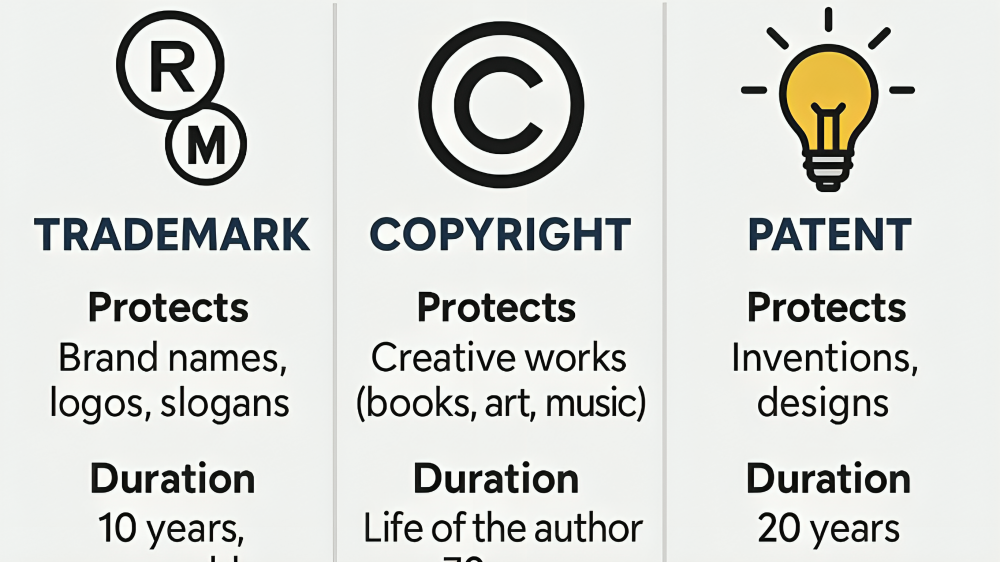
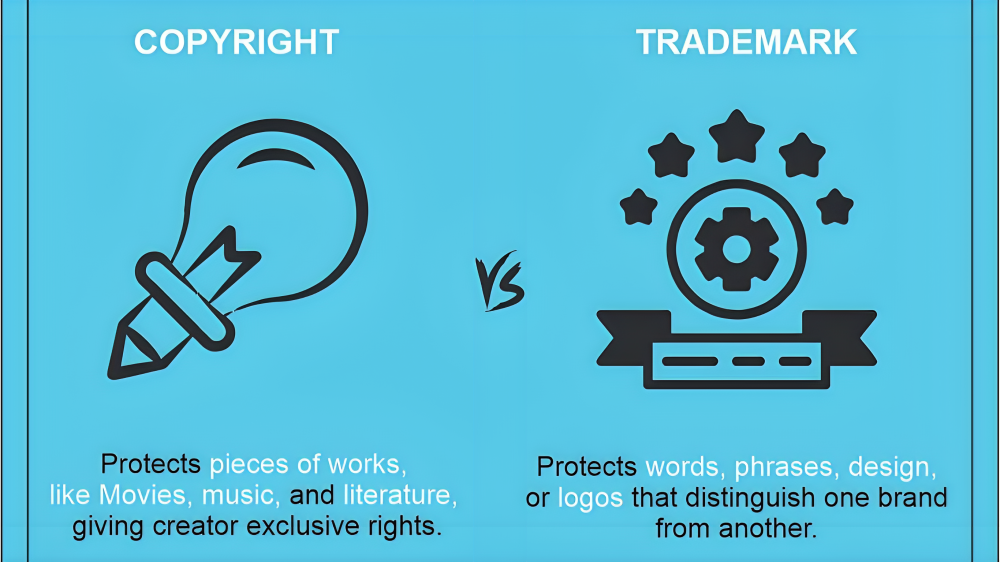
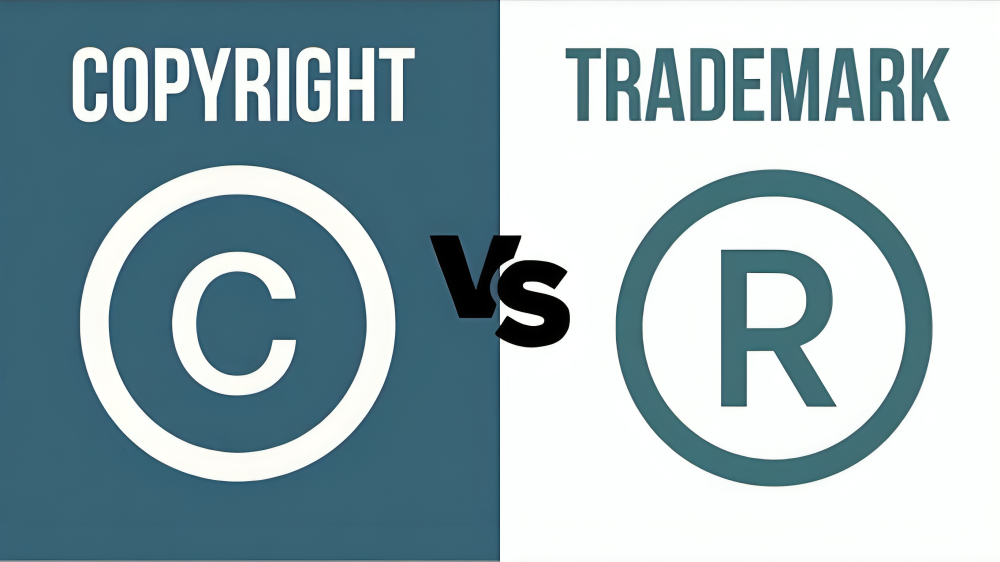
Now, let’s put them head-to-head, shall we? Trademark vs copyright isn’t a battle; it’s a complementary duo. Trademarks focus on commercial identity, while copyrights safeguard expression. One’s about preventing consumer mix-ups, the other’s about rewarding originality.
To make it crystal clear, here’s a handy table:
| Aspect | Trademark | Copyright |
| Protects | Brand names, logos, slogans | Original works like books, music |
| Duration | Indefinite with use and renewal | Author’s life + 70 years |
| Registration | Recommended for stronger rights | Automatic, but registration helps |
| Purpose | Avoids confusion in trade | Prevents unauthorized copying |
| Examples | Starbucks siren logo | Harry Potter series |
See how they differ? Trademarks are renewable powerhouses for business, whereas copyrights have a finite lifespan but kick in instantly. This distinction in trademark vs copyright empowers you to choose the right tool for your needs, fostering a more innovative society.
How Trademarks Shield Your Business Identity
Imagine pouring your heart into building a brand, only for someone to ride your coattails. That’s where trademarks step in like a trusty bodyguard. They grant you the right to sue infringers, keeping your market share intact. Plus, in an optimistic light, registering a trademark can boost your company’s value – investors love protected assets!
Transitional phrases aside, let’s not forget global reach. With international treaties, you can extend protection abroad, opening doors to worldwide success. It’s exhilarating to think how trademark vs copyright equips entrepreneurs to dream big without borders holding them back.
- Building Equity: Over time, your trademark becomes synonymous with quality, much like how “Google” means search.
- Legal Perks: Federal registration provides nationwide priority and public notice.
In the grand scheme, mastering trademark vs copyright turns potential pitfalls into stepping stones for growth.
The Power of Copyright in Safeguarding Creativity
Copyright, on the other hand, is the artist’s best friend. It ensures you get paid for your sweat and tears – royalties from books, streams from songs, you name it. Without it, creativity might dry up, but thankfully, it’s there to keep the juices flowing.
Interjections like gosh, it’s amazing how copyright encourages sharing too. Through licensing, you can collaborate, expanding your reach. And in today’s digital age, with piracy lurking, strong copyright laws promote ethical consumption. Dangling modifiers notwithstanding, creators empowered by these rights often produce more, enriching our culture.
When comparing trademark vs copyright, remember copyright’s role in inspiring the next generation of innovators.
Navigating the Trademark Registration Process
Ready to lock down your brand? The trademark registration process, while a bit bureaucratic, is straightforward and rewarding. Start by searching existing marks to avoid conflicts – the USPTO database is your go-to. Then, file an application detailing your mark and goods/services.
Fees aren’t exorbitant, and once approved, you get that coveted ® symbol. But here’s a tip: use it in commerce first for stronger claims. Transitional to the next point, maintaining it requires periodic filings, but it’s worth every penny for the peace of mind.
Common pitfalls? Generic terms like “apple” for fruit won’t cut it, but for computers, it did! This process in trademark vs copyright highlights how proactive steps lead to lasting success.
Steps to Secure Your Copyright
Copyright registration? It’s optional but oh-so-smart for enforcement. Head to the Copyright Office, submit your work, and pay a small fee. Boom – you’ve got a public record proving ownership, making lawsuits a breeze if needed.
Unlike trademarks, no examination needed; it’s more of a deposit system. And for digital works, tools like Creative Commons let you control sharing levels. Idioms like “better safe than sorry” ring true here.
In the context of trademark vs copyright, registering copyright adds an extra layer of armor, boosting your confidence to create freely.
Debunking Myths About Trademark and Copyright
Myths abound in IP land, don’t they? One biggie: “If it’s online, it’s free game.” Nope! Copyright applies digitally too. Another: “Trademarks are only for big corps.” Small businesses benefit hugely, leveling the playing field.
Colloquialisms like “that’s old hat” don’t apply; even old works might be protected. And interjections – gosh, don’t assume no registration means no rights. Clearing these up in trademark vs copyright discussions builds trust and encourages proper use.
- Myth: Copyright protects ideas. Reality: Only expressions, not raw concepts.
- Myth: Trademarks expire quickly. Reality: They can endure forever with care.
By busting these, we foster a more informed, optimistic community of creators.
The Broader Benefits of IP Protection
Protecting your IP isn’t just defensive; it’s a catalyst for progress. Trademarks drive competition, spurring innovation, while copyrights reward risk-taking in arts. Together, they create jobs, boost economies – talk about a win-win!
On a personal level, knowing your stuff is safe lets you focus on what you love. Transitional phrases leading us forward, international agreements like TRIPS harmonize protections, making global collaboration seamless.
Embracing trademark vs copyright isn’t burdensome; it’s liberating, paving the way for boundless creativity.
Real-World Examples and Case Studies
Let’s get real with stories that bring this home. Take the battle between Apple Corps (Beatles’ label) and Apple Inc. – a trademark tangle over the name that dragged on for years. It shows how vigilance pays off.
Or consider J.K. Rowling’s copyright triumphs against plagiarists, ensuring her wizarding world remains hers. These cases in trademark vs copyright illustrate that with knowledge, even underdogs can prevail.
- Starbucks vs. Starpreya: A small coffee shop knockoff lost big time.
- Disney’s Vigilance: Their copyrights on characters like Mickey keep the magic exclusive.
Such tales inspire us to protect what’s ours, turning challenges into triumphs.
International Perspectives on Trademark vs Copyright
Going global? Trademark systems vary, but the Madrid Protocol simplifies multi-country filings. Copyright? The Berne Convention ensures automatic protection in over 180 nations – pretty nifty!
Differences exist: Some countries emphasize moral rights in copyright more. But overall, harmonization means your IP travels well. In trademark vs copyright, this global view opens optimistic horizons for creators everywhere.
Future Trends in Intellectual Property
Looking ahead, AI and NFTs are shaking things up. Who owns AI-generated art? Copyright debates rage on. Trademarks in metaverses? Brands are racing to stake claims.
Yet, with evolving laws, the future’s bright. Blockchain could revolutionize proof of ownership, making protections ironclad. Staying ahead in trademark vs copyright positions you as a forward-thinker, ready for tomorrow’s innovations.
Fazit: Wrapping Up the Essentials
As we wind down, let’s reflect on the journey through trademark vs copyright. These tools aren’t barriers; they’re bridges to success, empowering you to innovate without fear. By understanding their nuances, you’re equipped to navigate the IP landscape like a pro.
In this fazit, remember: Knowledge is power, and applying it optimistically transforms ideas into empires.
Conclusion
In conclusion, grasping trademark vs copyright is like unlocking a treasure chest of possibilities. It fosters trust in your brand and respect for your creations, building a foundation for lasting impact.
Moreover, it encourages ethical practices, where creators thrive in a supportive ecosystem. Don’t underestimate its role in personal growth – protecting your work boosts confidence to push boundaries.
Furthermore, in business, strong IP attracts partnerships and investments, propelling you forward. It’s optimistic to see how many have succeeded by heeding these principles.
Additionally, educating others on trademark vs copyright spreads positivity, creating a ripple effect of innovation.