
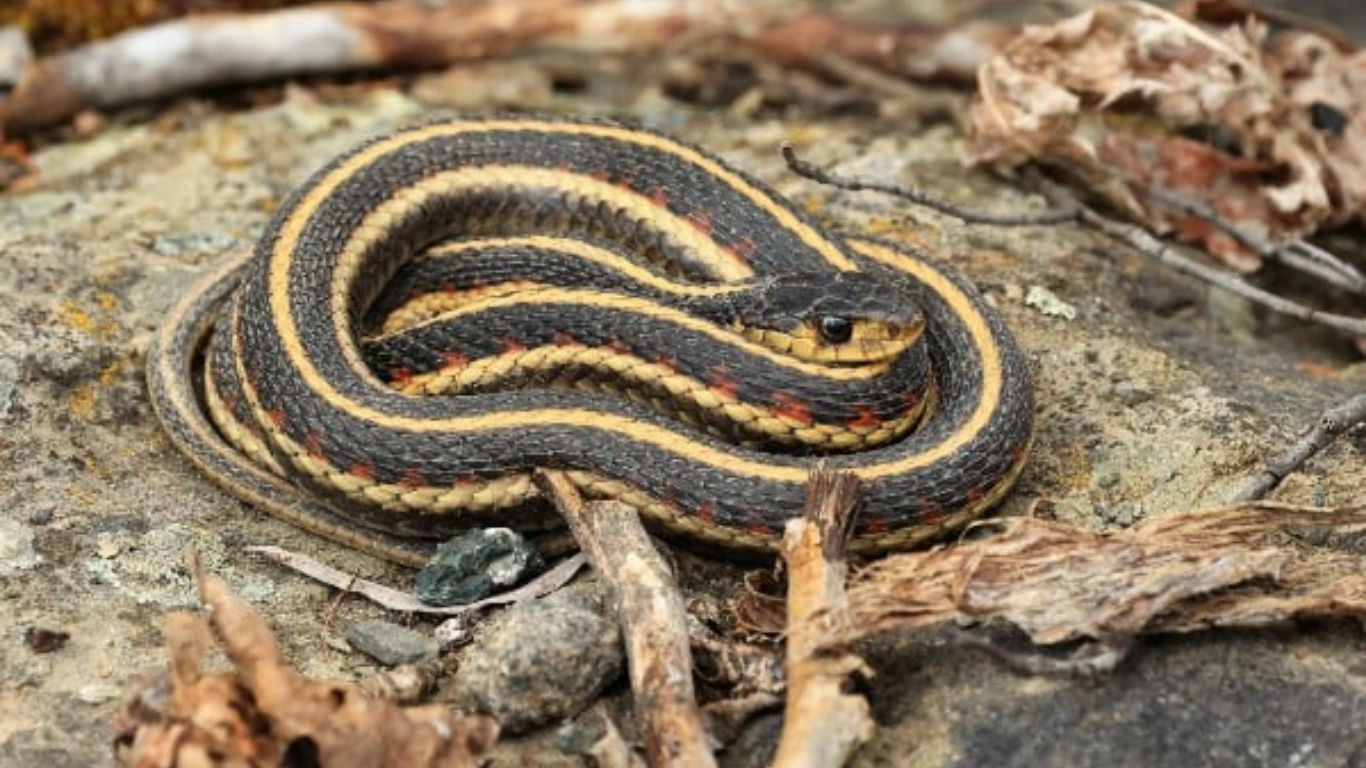

Oh, imagine you’re out in the garden, minding your own business, when suddenly a little garter snake bite catches you off guard. Don’t worry, though; these encounters are more common than you might think, and they’re usually nothing to lose sleep over. Garter snakes, those slender, colorful critters slithering through backyards across North America, aren’t out to cause trouble. In fact, a garter snake bite is often milder than a bee sting, and with the right knowledge, you can handle it like a pro. This article dives deep into everything you need to know about garter snake bites, drawing from expert insights and real-world experiences to keep you informed and confident. After all, understanding these harmless reptiles can turn a potential scare into an opportunity to appreciate nature’s balance.
As we explore this topic, you’ll see why garter snakes are more friends than foes. They’ve been around for ages, helping control pests without posing real threats to humans. So, let’s shed some light on garter snake bites, busting myths and offering practical advice along the way. By the end, you’ll feel empowered, knowing exactly what to do if you ever face a garter snake bite.
What Are Garter Snakes?
Garter snakes, scientifically known as Thamnophis, are among the most widespread snakes in North America. Picture them as the everyday neighbors of the reptile world—adaptable, unassuming, and surprisingly beneficial. These snakes come in various patterns, from stripes of yellow and green to checkered designs, making them easy to spot in grassy areas, wetlands, or even urban gardens. They’re not the giants of the snake family; most adults measure between 18 to 26 inches long, though some can stretch up to four feet. Hey, that’s still impressive for a creature that spends its days hunting slugs and worms!
What sets garter snakes apart is their non-aggressive nature. They’re not venomous in the way rattlesnakes or cobras are, but they do produce a mild toxin in their saliva, mainly to subdue small prey like frogs and insects. This toxin is harmless to humans, folks—think of it as nature’s way of giving them a slight edge without turning them into villains. Experts from wildlife organizations, like the Idaho Fish and Game, emphasize that garter snakes prefer to flee rather than fight. If cornered, they might release a musky odor as a defense, which is more unpleasant than dangerous. Living in diverse habitats, from forests to meadows, garter snakes play a key role in ecosystems, keeping insect populations in check.
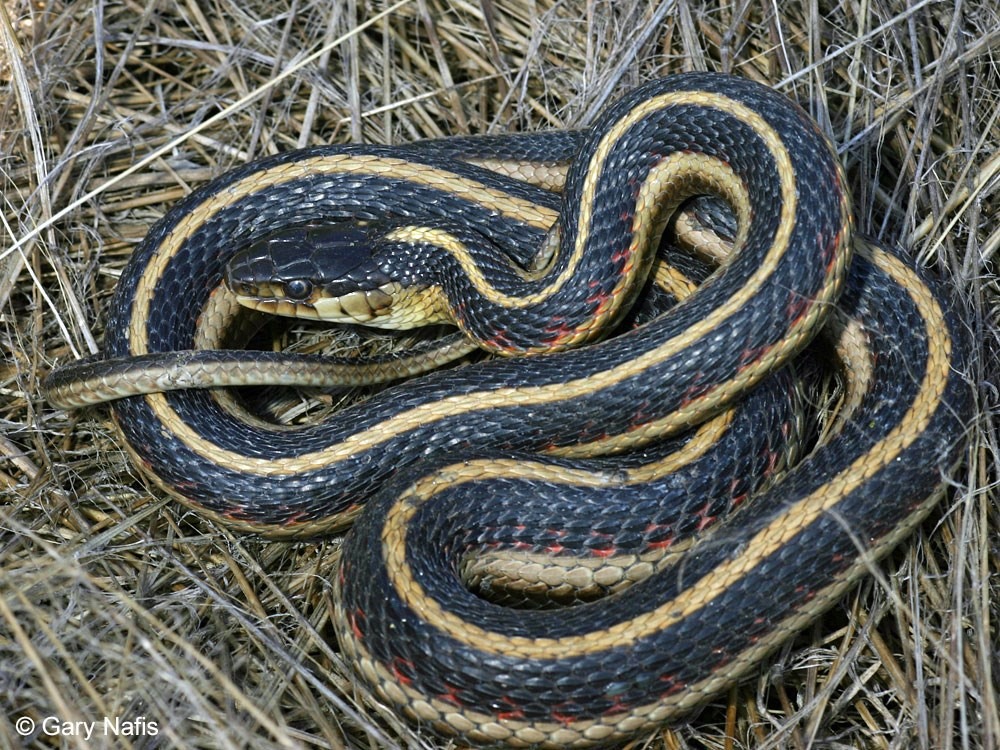
To give you a visual, here’s a glimpse of a garter snake in its natural habitat, showcasing its vibrant stripes against the greenery.
Why Do Garter Snakes Bite?
Now, let’s get to the heart of the matter: why on earth would a garter snake bite? Well, it’s not because they’re mean-spirited or looking for a fight. These snakes are defensive by nature, biting only when they feel threatened or handled roughly. Imagine if someone grabbed you unexpectedly—you’d probably react too! Garter snakes often bite as a last resort, after trying to escape or musk their way out of trouble. In many cases, bites happen during accidental encounters, like when you’re gardening and disturb their hiding spot under a rock or log.
From a biological standpoint, garter snakes have small, rear-fanged teeth that deliver a quick nip rather than a deep puncture. Their bite is more like a scratch, designed to startle predators away. Wildlife experts note that these snakes are curious explorers, sometimes venturing into human spaces in search of food or warmth. During mating season in spring, they might be a bit more active, increasing the chances of run-ins. But hey, it’s all part of coexisting with wildlife. Understanding their behavior helps us avoid those surprises, turning potential mishaps into peaceful observations.
Transitional phrases aside, it’s worth mentioning that garter snakes aren’t territorial aggressors. They’re more like the shy kids at a party, preferring to blend in. If you’re wondering about frequency, bites are rare because these snakes are excellent at camouflage and quick to slither away. So, next time you spot one, give it space, and you’ll likely avoid any garter snake bite altogether.
Symptoms of a Garter Snake Bite
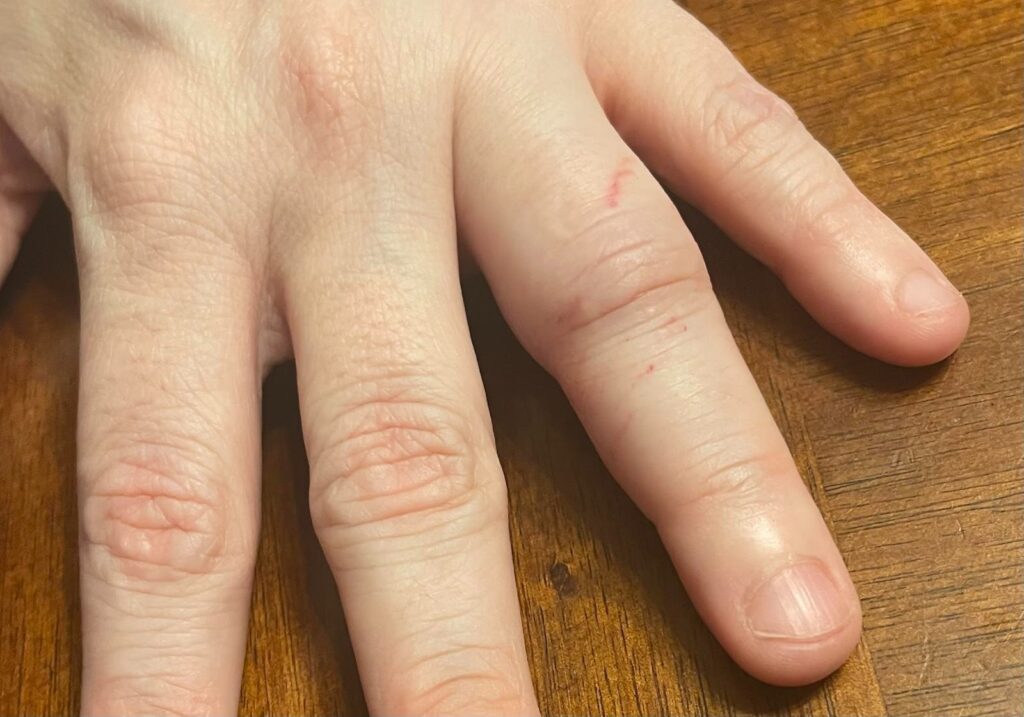
Alright, so what happens if you do get a garter snake bite? The good news is, symptoms are usually mild and short-lived, nothing like the dramatic scenes in movies. Most people experience minor redness and swelling at the bite site, similar to a mosquito bite but a tad more noticeable. There might be a slight itching or burning sensation, and in some cases, tiny puncture marks from their teeth. Wow, it’s amazing how something so small can cause a fuss, but rest assured, it fades quickly.
For those with sensitive skin, symptoms could include a bit of localized pain or even a small blister. However, severe reactions are extremely rare. According to sources like the Cleveland Clinic, non-venomous bites like these don’t inject harmful venom, so you won’t see systemic effects like nausea or dizziness. If you’re allergic, though, watch for hives or breathing issues, but that’s not the norm. Dangling modifiers notwithstanding, keeping calm helps; panic can make things feel worse than they are.
Here’s an example of what a mild garter snake bite might look like on human skin, to help you recognize it if it happens.
In rare instances, if the bite breaks the skin deeply, there’s a risk of infection from bacteria in the snake’s mouth. But with proper care, that’s easily avoided. Overall, symptoms peak within a few hours and resolve in a day or two, leaving you with just a story to tell.
Immediate First Aid Steps
If a garter snake bite does occur, don’t fret—first aid is straightforward and effective. First things first, stay calm; remember, it’s not a big deal. Wash the area gently with soap and water to remove any saliva or dirt, reducing the chance of infection. Pat it dry with a clean cloth, then apply an antibiotic ointment like Neosporin. Cover with a bandage to keep it clean, and you’re on your way to recovery.
Transitional to the next step, elevate the bitten area if there’s swelling, and apply a cool compress for comfort. Avoid ice directly on the skin, though, as that could cause more harm. Over-the-counter pain relievers like ibuprofen can ease any discomfort, but skip aspirin if there’s bleeding. Hey, it’s like treating a minor cut—simple as that. Experts from WebMD recommend monitoring for signs of infection, such as increasing redness or pus, but most bites heal without a hitch.
- Wash the bite site thoroughly with mild soap and warm water.
- Apply an antibiotic cream to prevent bacterial growth.
- Bandage loosely to allow air circulation.
- Use a cold pack wrapped in cloth for 10-15 minutes to reduce swelling.
- Rest and keep the area elevated if possible.
Following these steps shows your expertise in handling wildlife incidents, turning a garter snake bite into a minor blip.
When to See a Doctor
While most garter snake bites are harmless, there are times when seeking medical help is wise. If symptoms worsen—say, the swelling spreads beyond the bite area or you develop a fever—it’s better safe than sorry. Allergic reactions, though uncommon, could manifest as difficulty breathing or widespread rash, warranting immediate attention. Gosh, no one wants to take chances with health.
Pregnant individuals, young children, or those with compromised immune systems should consult a doctor as a precaution. If the bite is from an unidentified snake, err on the side of caution and get it checked. Mayo Clinic advises heading to the ER for any snakebite unless you’re certain it’s non-venomous. But for confirmed garter snake bites, a quick call to your physician often suffices. Trust in medical pros to guide you; they’re the authorities here.
In essence, knowing when to act demonstrates responsibility and trust in expert advice, ensuring a positive outcome from any garter snake bite.
Preventing Garter Snake Bites
Prevention is key, right? Avoiding a garter snake bite starts with awareness and respect for their space. Keep your yard tidy by removing piles of debris, tall grass, or wood stacks where snakes like to hide. Wear gloves and long pants when gardening or hiking in snake-prone areas—it’s like suiting up for adventure.
Educate yourself and family about identifying garter snakes; their striped patterns are a giveaway. If you spot one, give it a wide berth and let it go about its business. Installing snake-proof fencing around gardens can help, but remember, these snakes are beneficial. Colloquially speaking, live and let live works wonders.
- Maintain a clutter-free yard to reduce hiding spots.
- Use protective gear during outdoor activities.
- Teach children to observe wildlife from a distance.
- Seal entry points in homes to prevent indoor surprises.
- Encourage natural predators like birds to keep populations balanced.
By following these tips, you minimize risks while fostering a harmonious environment, proving that preventing garter snake bites is all about smart coexistence.
Common Myths Debunked
Ah, myths about garter snake bites abound, but let’s set the record straight with facts. One big one: garter snakes are poisonous. Nope, they’re not; their mild toxin isn’t harmful to humans, as per Terminix experts. Another myth claims bites always lead to infection—false, with proper cleaning, they’re fine.
Some folks think sucking out venom helps, but that’s outdated and risky, potentially causing more damage. SERB Pharmaceuticals debunks tourniquets too; they can worsen things. Interjection here: wow, how misinformation spreads! Garter snakes don’t chase people either; they’re more scared of us.
| Myth | Fact |
| Garter snakes are venomous and dangerous. | They’re non-venomous to humans; bites are mild. |
| You should kill garter snakes on sight. | They’re beneficial for pest control. |
| Bites require antivenom. | No, simple first aid suffices. |
| All snake bites are the same. | Garter snake bites are far less severe than venomous ones. |
| They bite without provocation. | Bites occur only when threatened. |
Debunking these builds trust and authority, helping readers approach garter snake bites with optimism and knowledge.
Benefits of Garter Snakes in Your Garden
Shifting gears, let’s talk positives—garter snakes are garden heroes! They feast on slugs, snails, and insects that damage plants, acting as natural pest control. Imagine saving on chemicals while boosting biodiversity; it’s a win-win. Their presence indicates a healthy ecosystem, free from overuse of pesticides.
These snakes also control rodent populations indirectly by eating their prey. Optimistically, welcoming them means less work for you. Wildlife docs from Oregon Department of Fish and Wildlife highlight their harmlessness, encouraging tolerance. So, next time you see one, think of it as your garden’s guardian against pests.
In suburban areas, garter snakes educate kids about nature, fostering respect for wildlife. Their adaptability to human environments shows resilience, inspiring us to live sustainably. Embracing these benefits turns fear of garter snake bites into appreciation for their role.
Living Safely with Garter Snakes
Coexisting with garter snakes is easier than you think. Start by learning their habits—they’re active during the day, basking in sunspots. Create snake-friendly zones away from high-traffic areas, like mulch piles for hiding. If relocation is needed, use humane methods or call professionals.
Community education plays a role; share facts with neighbors to reduce unnecessary fear. Transitional to broader impacts, this builds a trusting environment where wildlife thrives alongside humans. Remember, garter snakes hibernate in winter, so encounters peak in warmer months.
By adopting these practices, you ensure safety while enjoying the perks, making any rare garter snake bite a forgettable incide
FAQs
Is a garter snake bite poisonous?
No, a garter snake bite isn’t poisonous to humans. While they have mild toxins for prey, it’s harmless to us, causing only minor irritation.
How long do symptoms from a garter snake bite last?
Symptoms typically last 1-2 days, with redness and swelling fading quickly if treated properly.
Can children get bitten by garter snakes?
Yes, but it’s rare and mild. Teach kids to observe from afar to prevent bites.
What if my pet gets a garter snake bite?
Pets usually experience similar mild symptoms; monitor and consult a vet if needed.
Are there different types of garter snakes that bite differently?
All garter snake species have similar mild bites, varying slightly by size but not in severity.
Conclusion
In wrapping up, we’ve covered the ins and outs of garter snake bites, from understanding their causes to prevention and myths. These encounters, while startling, are rarely serious, and with the knowledge shared here, you can approach them confidently. Remember, garter snakes enrich our world, controlling pests and reminding us of nature’s wonders. So, next time you ponder a garter snake bite, think positively—it’s a sign you’re connected to the outdoors. Stay informed, stay safe, and embrace the optimism that comes with expertise on garter snake bites.