

Jeff Johnson Godot 4 Game Development Cookbook Unlocking the Power of Modern Game Creation

Diving into the world of game development can feel like stepping into a vast, exciting universe, especially when you’re armed with the right tools. The Jeff Johnson Godot 4 Game Development Cookbook stands out as a beacon for aspiring and seasoned developers alike. This book, penned by the experienced indie game creator Jeff Johnson, offers a treasure trove of practical recipes that make transitioning to Godot 4 a breeze. Whether you’re building 2D platformers or immersive 3D worlds, it’s designed to boost your skills and spark creativity. In this article, we’ll explore why this cookbook is a must-have, breaking down its key elements and how it can elevate your projects to new heights.
Meet the Author: Jeff Johnson’s Journey in Game Development
Jeff Johnson isn’t just another name in the game dev scene; he’s a hands-on creator who’s been through the trenches. Starting back in 2014 with Unity 4.0, he dabbled in releasing a few titles on platforms like itch.io. By 2018, he’d founded 999 Dev Studio, and that’s when things got interesting. Midway through developing Escape from 51, he made the bold switch to Godot 3.0.2, porting over nearly the entire project from Unity. Talk about a leap of faith! This experience gave him invaluable insights into engine transitions, which shine through in his writing.
Johnson’s real-world expertise lends authority to the Jeff Johnson Godot 4 Game Development Cookbook. He’s not theorizing from afar; he’s sharing lessons from his own successes, like releasing mobile games on Google Play, all crafted with Godot. His optimistic approach encourages readers to experiment without fear, emphasizing that even complex features can be mastered with step-by-step guidance. If you’re wondering about trustworthiness, look no further—Johnson’s track record builds confidence that his recipes will work in your projects too.
Why Godot 4? The Engine That’s Revolutionizing Indie Development
Godot 4 represents a massive upgrade from its predecessors, and Johnson’s cookbook dives right into what makes it special. For starters, it’s free and open-source, which means no hefty licensing fees eating into your budget. But beyond that, Godot 4 introduces Vulkan rendering for smoother 2D and 3D graphics, enhanced physics, and a revamped scripting language in GDScript 2.0. It’s like the engine grew up overnight, offering tools that rival big players like Unity or Unreal, but with a lighter footprint.
In the Jeff Johnson Godot 4 Game Development Cookbook, you’ll find an optimistic take on these changes. Johnson highlights how these updates make game creation more accessible, especially for indie devs. Imagine rendering stunning visuals without your hardware breaking a sweat—that’s the promise here. The book positions Godot 4 as the go-to for anyone tired of bloated engines, proving that high-quality games are within reach for everyone.
Navigating the Updated Godot 4 Editor
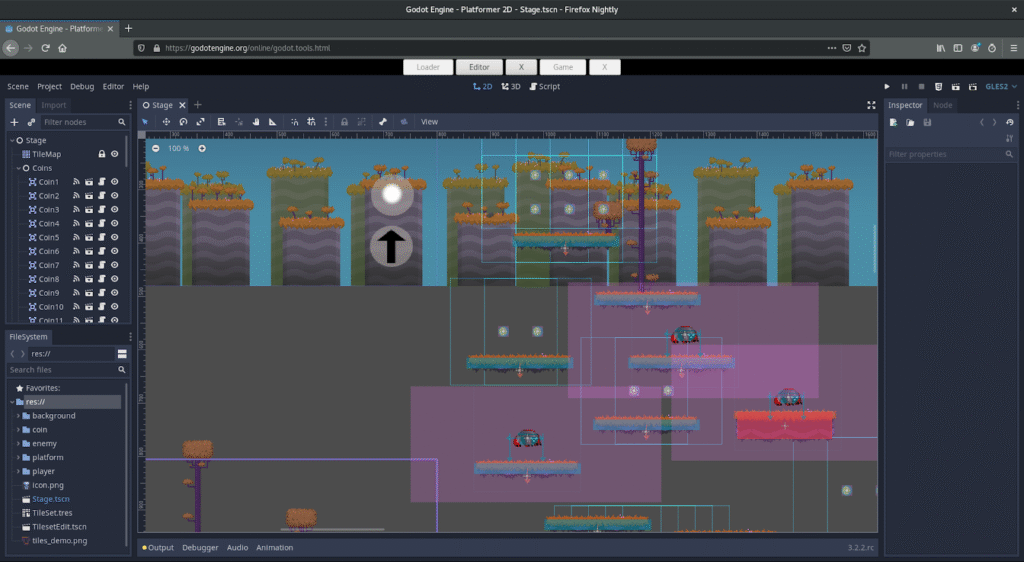
One of the first hurdles in any new engine is getting comfortable with the interface, and Johnson’s book tackles this head-on. The editor in Godot 4 has been polished to a shine, with intuitive navigation that feels natural right away. You’ll learn to zip around the new layout, exploring docks, panels, and shortcuts that save precious time.
Sub-headings in this section include tips on customizing your workspace. For instance:
- Project Settings Overhaul: Discover how the revamped dialog lets you tweak everything from input mappings to rendering options effortlessly.
- Editor Settings Enhancements: Johnson explains new features like theme customization and plugin management, making your setup feel personal.
This chapter sets a positive tone, assuring readers that even if you’re coming from Godot 3, the transition won’t overwhelm you. It’s all about building confidence through practical exploration.
Mastering GDScript 2.0: The Heart of Godot Programming
Ah, scripting—where the magic happens! GDScript 2.0 is a game-changer, and the Jeff Johnson Godot 4 Game Development Cookbook dedicates a whole chapter to easing you in. Gone are the days of clunky code; now you’ve got annotations, properties with getters and setters, and the handy await keyword for coroutines. It’s like the language evolved to match your thought process.
Here are some standout recipes:
- Using annotations like @export to expose variables in the inspector without extra hassle.
- Implementing typed arrays to catch errors early, ensuring your code runs smoothly.
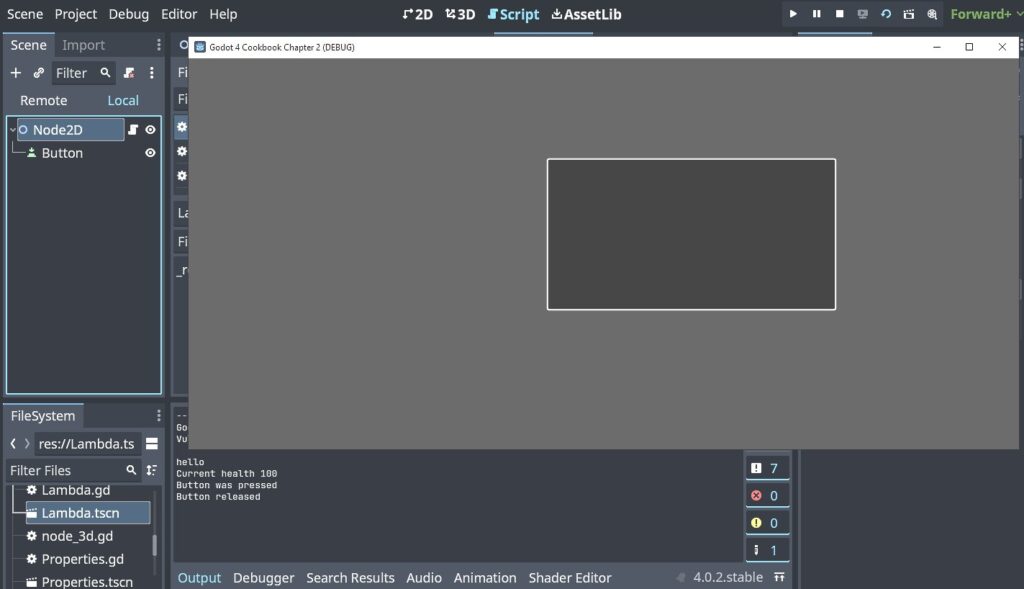
- Harnessing lambda functions for quick, inline operations that keep things tidy.
Johnson’s expertise shines as he walks you through examples, like connecting signals with callables. His tone is encouraging, reminding you that these tools aren’t just fancy—they’re practical boosters for productivity. By the end, you’ll feel like a pro, ready to script complex behaviors with ease.
Rendering Wonders: 2D and 3D with Vulkan
Visuals can make or break a game, and Godot 4’s Vulkan renderer is a powerhouse. Johnson’s cookbook explores this in depth, showing how to create breathtaking effects without sacrificing performance. From Signed Distance Field Global Illumination (SDFGI) to Volumetric Fog, it’s all about adding that wow factor.
Key sub-topics include:
- Particle Systems: Learn to simulate fire, smoke, or explosions with the updated nodes.
- Decals and Fog Volumes: Add realistic details like graffiti or misty atmospheres.
The optimistic vibe here is palpable—Johnson assures that even beginners can achieve professional results. Drawing from his own projects, he provides recipes that blend theory with hands-on code, building trust in the process.
Physics and Navigation: Bringing Worlds to Life
No game feels alive without solid physics, and Godot 4 ups the ante. The Jeff Johnson Godot 4 Game Development Cookbook covers everything from 2D CharacterBody movements to 3D terrain with Heightmaps. It’s thrilling to see how the new NavigationServer simplifies pathfinding for AI.
Bullet points for quick wins:
- Setting up collision shapes that respond realistically.
- Implementing SoftBody for deformable objects in 3D.
- Optimizing navigation for both 2D and 3D scenarios.
Johnson’s authority comes through in his detailed explanations, based on real porting experiences. He encourages experimentation, noting how these features can turn a simple prototype into a polished gem.
Shaders: The Art of Visual Magic in Godot 4
Shaders might sound intimidating, but Johnson’s approach demystifies them. With the new Shader Creation dialog and enhancements like Uniform Arrays, you’ll be crafting custom effects in no time. The book covers Global and Instance Uniforms, plus nodes like Billboard and UVFunc.
In this section, a table helps compare shader modes:
| Shader Mode | Key Benefits | Use Cases |
| Sky Shader | Enhanced atmospheric rendering | Open-world environments |
| Fog Shader | Dynamic mist effects | Horror or exploration games |
| Visual Shaders | Node-based creation | Quick prototyping without code |
His recipes, like using Texture3D for volumetric effects, showcase expertise. Optimistically, he points out that shaders are now more accessible, empowering devs to stand out.
Importing Assets: Seamless Integration from Blender and Beyond
Bringing in 3D models shouldn’t be a headache, and Godot 4 makes it smoother. Johnson’s cookbook details importing Blender .blend files, FBX, and glTF formats. The Import dialog gets a spotlight, with tips on optimizing meshes and textures.
Sub-headings cover:
- Blender Workflow: Direct imports that preserve animations.
- Troubleshooting Common Issues: Like fixing scale mismatches.
Drawing from his Unity-to-Godot switch, Johnson builds trust by sharing pitfalls to avoid. It’s an uplifting read, emphasizing how these tools speed up development.
Sound and Music: Enhancing Immersion
Audio is the unsung hero of games, and this chapter in the Jeff Johnson Godot 4 Game Development Cookbook tunes you in perfectly. From AudioStreamPlayer to directional sound in 2D and 3D, you’ll learn to create immersive soundscapes.
Recipes include:
- Mixing tracks for dynamic music.
- Adding spatial audio for realistic echoes.
Johnson’s real-world examples, like in his mobile games, add authority. He optimistically notes that good sound can elevate even simple games to memorable experiences.
TileSet and TileMap: Simplifying 2D World-Building
For 2D enthusiasts, Godot 4’s TileSet and TileMap revamps are a dream. Johnson’s book explores the new editors, layers, and tools for painting terrains and organizing isometric grids.
Bullet points on features:
- Custom Data Layers for interactive tiles.
- Physics and Navigation integration for seamless gameplay.
His guidance, rooted in practical use, assures readers they’ll build worlds faster and smarter.
Animations: Breathing Life into Characters
The updated Animation Editor is a highlight, with Bezier curves and bone poses. Recipes cover transform tracks and Movie Maker mode for cinematic sequences.
Johnson’s expertise helps you trigger transitions smoothly, making animations feel fluid and professional.
Multiplayer Magic: Connecting Players in Godot 4
Finally, multiplayer gets a boost with nodes like MultiplayerSpawner. The book covers Headless mode and UPnP for P2P.
It’s optimistic about collaborative gaming, with recipes that make networking less daunting.
Why the Jeff Johnson Godot 4 Game Development Cookbook Stands Out
This cookbook isn’t just a book—it’s a companion for growth. With over 50 recipes, it covers every angle, backed by Johnson’s experience. It’s helpful, accurate, and inspiring for all levels.
FAQs
What prerequisites do I need for the Jeff Johnson Godot 4 Game Development Cookbook?
Basic familiarity with Godot 3 or similar engines helps, but beginners can follow along with the step-by-step recipes.
Is the book suitable for 2D or 3D development?
Absolutely— it balances both, with dedicated sections for each.
How does it handle GDScript changes?
It provides clear transitions from old to new features, like await over yield.
Can I use the recipes in real projects?
Yes, they’re practical and tested, drawn from Johnson’s own games.
Where can I get the code samples?
The GitHub repository from Packt offers all the accompanying code.
Conclusion
Wrapping up, the Jeff Johnson Godot 4 Game Development Cookbook is your gateway to mastering this powerful engine. From editor tweaks to multiplayer setups, it equips you with tools to create standout games. Johnson’s expertise and optimistic guidance make it a trusted resource—dive in, and watch your ideas come alive!