


The killing of Iryna Zarutska sent shockwaves through communities far and wide, but hey, out of darkness often comes a glimmer of light. This young Ukrainian refugee’s story isn’t just about loss; it’s about resilience, reform, and the way people come together to make things better. As we dive into this, you’ll see how one heartbreaking incident led to positive steps forward, reminding us that even in tough times, hope can prevail. Let’s explore the details with care and optimism, focusing on what we can learn and how society is stepping up.

Understanding the Killing of Iryna Zarutska
First off, the killing of Iryna Zarutska happened on a seemingly ordinary evening in Charlotte, North Carolina. Picture this: a bustling light rail train, folks heading home after a long day. But tragedy struck when Iryna, a 23-year-old full of dreams, was attacked without warning. It was August 22, 2025, around 9:50 p.m., on the Lynx Blue Line at the East/West Boulevard station. She had just boarded after her shift at a local pizzeria, settling into a seat. From behind, the assailant struck with a pocketknife, stabbing her three times—in the neck, chest, and knee. Oh man, it’s hard to imagine the panic on that train as passengers tried to help, but sadly, she passed away right there.
What makes this story hit home is Iryna’s background. She wasn’t just any passenger; she was a refugee fleeing war in Ukraine, seeking a fresh start in America. The incident, captured on surveillance video, showed no clear motive—it seemed random, a senseless act that left everyone asking why. Yet, in the aftermath, communities rallied, turning grief into action. Laws changed, awareness grew, and her memory became a beacon for safer public spaces. That’s the silver lining here: tragedies like this can push us toward a brighter, more secure future.
Iryna Zarutska: A Life Full of Promise
Iryna Zarutska was born on May 22, 2002, in Kyiv, Ukraine, right in the heart of a vibrant city. Growing up, she had a passion for art and restoration, earning her diploma from Synergy College at just 18. Life threw her a curveball with the Russian invasion in 2022. Her family hunkered down in bomb shelters amid the chaos in the Solomianskyi district. Wow, talk about toughing it out—they endured bombardments for months before deciding to flee.
In August 2022, Iryna, her mother Anna, sister, and younger brother made the brave move to the United States. They settled in Huntersville, North Carolina, with relatives, while her father stayed behind due to martial law. Adjusting to a new country isn’t easy, but Iryna dove in headfirst. She picked up jobs, learned English, got driving lessons, and even moved to Charlotte’s trendy NoDa neighborhood with her boyfriend. Enrolling in college and working at that pizzeria showed her determination. She was building a life, chasing the American dream, and her story inspires us to appreciate the courage of refugees everywhere.
- Early Education: Studied art restoration, blending creativity with history.
- Family Bonds: Close-knit with her mom, siblings, and relatives in the U.S.
- New Beginnings: From bomb shelters to bustling Charlotte streets, her journey symbolized hope.
Her family’s choice to bury her in America speaks volumes about their commitment to this new chapter, even in sorrow.
The Fateful Day: What Led to the Killing of Iryna Zarutska
Leading up to the killing of Iryna Zarutska, the day seemed routine. She finished her shift at the pizzeria in Charlotte’s Lower South End, probably tired but looking forward to rest. Boarding at Scaleybark station, she sat down, unaware of the danger lurking. The suspect had been on the train for hours, acting oddly—laughing to himself, moving strangely, and without a ticket.
Surveillance footage paints a chilling picture: Iryna sits in front of him, and in a flash, he attacks from behind. Passengers scrambled to help, calling 911 amid the chaos. “A lot of blood,” one caller said. The train stopped at East/West Boulevard, and the assailant fled but was caught quickly on the platform, his hand wounded—perhaps from the knife slipping. He reportedly muttered something disturbing after the act, adding to the mystery of his mindset.
But let’s shift to the positive: This event highlighted heroes among us—the passengers who tried to save her, the quick police response. It also sparked discussions on transit safety, leading to real improvements. Sometimes, a wake-up call like this saves lives down the road.
The Suspect: Decarlos Brown Jr.’s Background
Decarlos Dejuan Brown Jr., born October 1, 1990, was 34 at the time of the incident. His life had been marked by challenges, including a diagnosis of schizophrenia. Since 2007, he racked up 14 arrests in Mecklenburg County, with convictions for breaking and entering, armed robbery, and possessing a firearm as a felon. He served time from 2015 to 2020, but after release, things spiraled. His mother tried to get him committed involuntarily, but the system fell short—high thresholds for proving danger meant he stayed out.
In early 2025, Brown misused 911 services from a hospital, leading to charges, but he was released without bond. Delusions plagued him, like believing a “man-made material” controlled his body. He stopped his meds, and the gaps in mental health care became evident. North Carolina’s limited psychiatric beds meant long waits, averaging 16 days in 2024.
While his actions were horrific, this underscores a bigger issue: better mental health support could prevent such tragedies. Optimistically, reforms are addressing these gaps, offering hope for those struggling and safer communities.
Legal Proceedings Following the Killing of Iryna Zarutska
Justice moved swiftly after the killing of Iryna Zarutska. Brown was arrested on the spot and charged with first-degree murder in state court. A judge ordered a 60-day psychological evaluation, recognizing his mental health history. By September 15, 2025, a grand jury indicted him, and he remains held without bond at Mecklenburg County Detention Center.
Federally, things ramped up: He faced charges under 18 U.S.C. § 1992 for terrorist attacks on mass transportation, with an indictment on October 22, 2025. His first federal appearance was December 11, 2025. A capital defense team was appointed, and a hearing on the death penalty got delayed to April 2026.
Media involvement added layers—a lawsuit for police recordings led to a federal injunction to ensure a fair trial. Investigations continue, with police seeking public tips. Through it all, the system is working toward accountability, and that’s a step in the right direction for healing.
| Key Legal Milestones | Date | Details |
| Arrest and State Charge | August 22, 2025 | First-degree murder; held without bond. |
| Grand Jury Indictment | September 15, 2025 | Confirmed charges in state court. |
| Federal Indictment | October 22, 2025 | Violence against mass transportation. |
| Psychological Evaluation | Ordered Post-Arrest | 60-day assessment for mental fitness. |
| Death Penalty Hearing Delay | To April 2026 | Allows thorough preparation. |
Political and Social Response to the Tragedy
The killing of Iryna Zarutska didn’t stay local; it ignited national and international conversations. Charlotte Mayor Vi Lyles called it “senseless and tragic,” urging respect for the family. Governor Josh Stein pushed for more police and pretrial reviews. President Donald Trump, in his 2026 State of the Union, highlighted it, blaming “soft-on-crime” policies—though fact-checks noted Brown was U.S.-born, not an immigrant. Anna Zarutska, Iryna’s mom, attended, her tears moving many.
Internationally, Ukraine’s Foreign Ministry stayed involved, and President Zelenskyy paid tribute at the UN. Social media buzzed with calls for better transit security, mental health fixes, and justice reforms. Locally, Charlotte officials reviewed systems, increasing fare checks and security. A Federal Transit Administration audit in 2026 found issues but led to corrective plans.
Amid the outcry, positivity emerged: Unity across divides, pushing for change. It’s like they say, when the going gets tough, the tough get going—and society did just that.
Iryna’s Law: Reforms Born from Heartache
Out of the killing of Iryna Zarutska came “Iryna’s Law,” or House Bill 307, introduced by Governor Stein on September 22, 2025. It passed quickly and was signed October 3, effective December 1. This legislation ends cashless bail for serious offenses, requires GPS monitoring for violent crimes, mandates mental health evaluations, and funds more prosecutors.
It also speeds up death penalty appeals, suspends errant magistrates, and considers public transit attacks as aggravating factors. Republicans sought to remove the magistrate who released Brown earlier. A select committee on involuntary commitment formed in November 2025.
Sure, it might strain jails and health services, but it’s a proactive move toward safety. This law honors Iryna by preventing future losses, turning pain into progress—what a testament to human spirit!
Memorials and Tributes Honoring Iryna
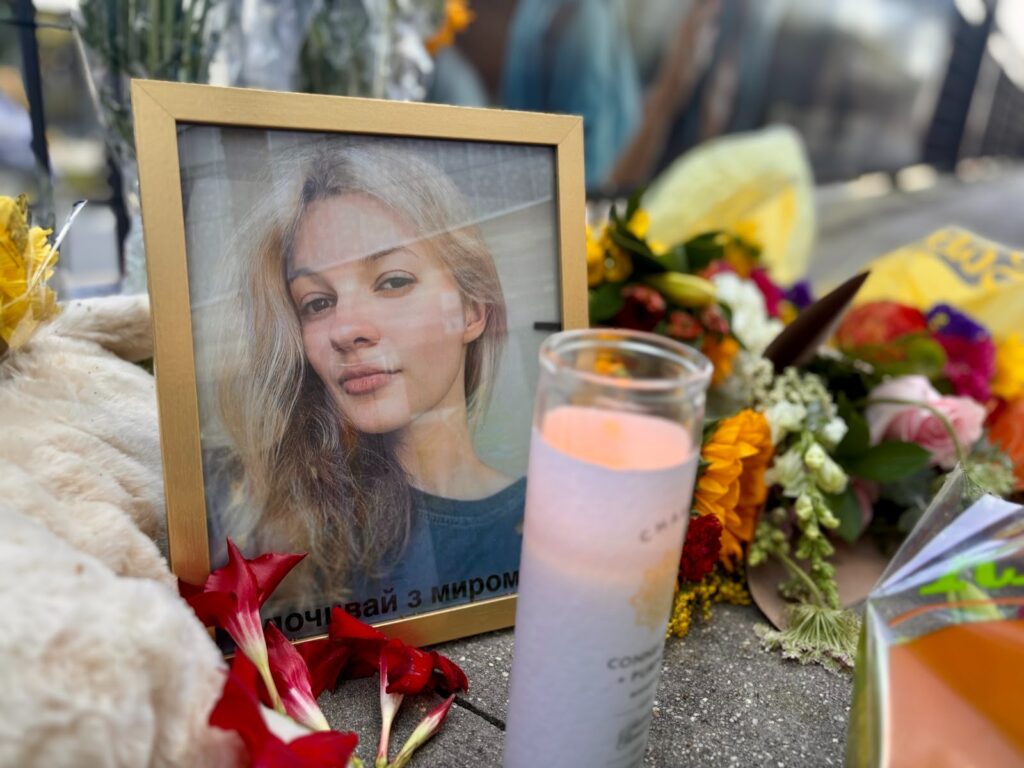
Communities didn’t just mourn; they celebrated Iryna’s life. A candlelight vigil on August 31, 2025, remembered transit victims, with another on September 22 at the station. Rapper DaBaby dedicated his song “Save Me” to her in September.
In October, a butterfly species got named Celastrina iryna, or “Iryna’s Azure.” Murals popped up in Abilene, Bushwick, Las Vegas, and Charlotte, with Elon Musk donating $1 million in December 2025. These tributes keep her spirit alive, inspiring kindness and remembrance.
Lessons Learned from the Killing of Iryna Zarutska
Reflecting on the killing of Iryna Zarutska, we see gaps in mental health, transit security, and justice systems. But hey, awareness is the first step to fixing them. Passenger numbers dipped after the incident, but enhanced security—like more officers and ticket validators—helped rebuild trust.
Broader lessons? Support refugees, invest in mental care, and advocate for reforms. Iryna’s story reminds us that one life can spark widespread good, fostering optimism for a safer world.
FAQs
What was the motive behind the killing of Iryna Zarutska?
Authorities believe it was random, with no prior connection between Iryna and the suspect. Mental health issues may have played a role, but investigations continue.
How has the killing of Iryna Zarutska affected public transit in Charlotte?
It led to increased security measures, fare enforcement, and a federal audit, ultimately making rides safer for everyone.
What is Iryna’s Law, and why was it created?
Iryna’s Law (House Bill 307) reforms criminal justice, ending cashless bail for violent crimes and mandating mental health checks, inspired by this tragedy to prevent repeats.
How did the international community respond to the killing of Iryna Zarutska?
Ukraine’s government stayed engaged, and President Zelenskyy honored her at the UN, highlighting global solidarity with refugees.
What tributes exist for Iryna Zarutska today?
Vigils, murals, a dedicated song, and even a named butterfly species keep her memory vibrant, showing community’s enduring love.
Conclusion
In wrapping up, the killing of Iryna Zarutska remains a poignant reminder of life’s fragility, yet it also showcases humanity’s capacity for growth and compassion. From her brave journey out of war-torn Ukraine to the reforms her story inspired, there’s a thread of hope weaving through the sorrow. As we move forward, let’s carry her legacy—pushing for justice, supporting one another, and building a world where such tragedies become rare. After all, in the face of adversity, optimism lights the way.