

The Ohio train derailment lawsuit has captured widespread attention, highlighting the complexities of environmental disasters and corporate accountability. Back in early 2023, a freight train operated by Norfolk Southern derailed in the small town of East Palestine, Ohio, unleashing hazardous chemicals into the air, soil, and water. What followed was a wave of legal battles as residents, businesses, and even the government sought justice and compensation. It’s a story that underscores how communities can bounce back from tragedy, turning adversity into opportunities for stronger safety measures and fair resolutions. As we delve deeper, you’ll see how this case isn’t just about past harms but also about paving the way for a safer future. By examining the Ohio train derailment lawsuit, we gain insights into resilience and reform.
The Incident That Sparked It All
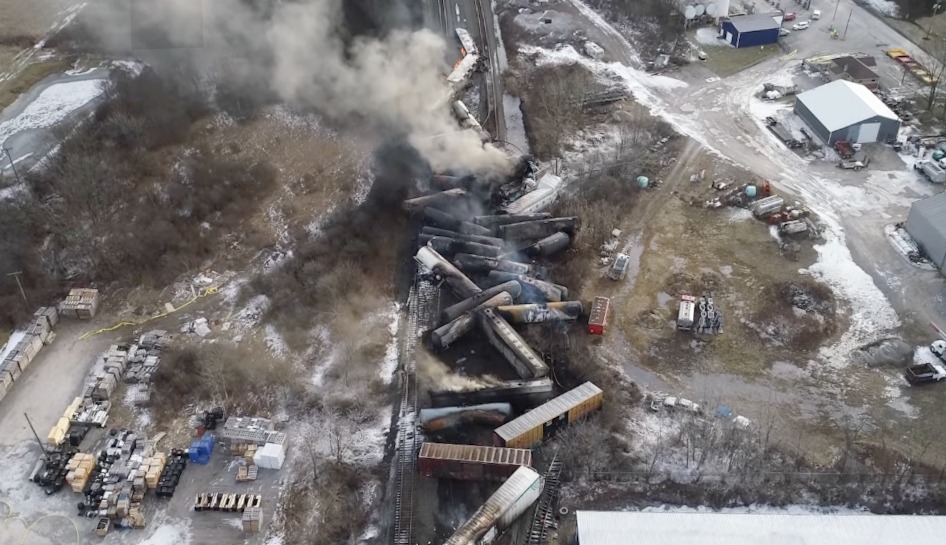
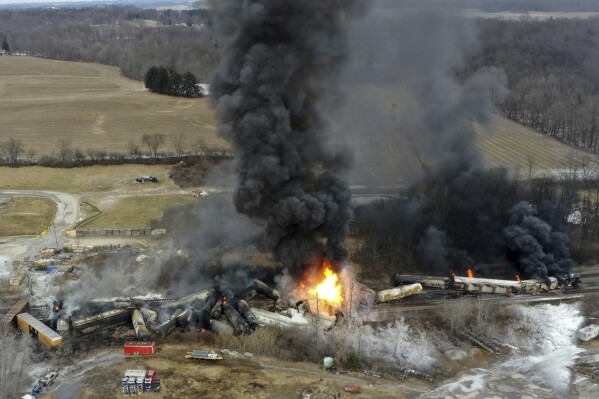
Picture this: a quiet evening in a tight-knit community suddenly shattered by chaos. On February 3, 2023, around 8:55 p.m., a Norfolk Southern train carrying 151 cars derailed near East Palestine, Ohio. Eleven of those cars contained hazardous materials, including vinyl chloride, a chemical used in plastics manufacturing that’s known for its flammability and toxicity. The derailment led to fires and a controlled burn to prevent explosions, releasing thick plumes of black smoke that blanketed the area.
Well, as you might imagine, the immediate scene was like something out of a disaster movie. Emergency responders rushed in, evacuating hundreds of residents within a one-mile radius. The National Transportation Safety Board (NTSB) later pinpointed a faulty wheel bearing as the likely culprit, overheating and causing the cars to jump the tracks. However, investigations revealed broader issues, like inadequate maintenance and rushed decisions on the burn-off. Despite the initial panic, the quick actions of first responders prevented any immediate fatalities, setting the stage for recovery efforts that would inspire hope amid the rubble.
In the days that followed, air and water testing became paramount. The Environmental Protection Agency (EPA) stepped in, monitoring for contaminants like dioxins and volatile organic compounds. While some levels spiked initially, ongoing cleanups have shown promising declines, proving that with concerted effort, environments can heal. This event, though tragic, has spotlighted the Ohio train derailment lawsuit as a catalyst for positive change.
Immediate Aftermath and Community Struggles
Right after the derailment, folks in East Palestine found themselves in a bit of a pickle. Many reported headaches, rashes, and respiratory issues, fearing long-term health effects from the chemical exposure. Businesses ground to a halt, with some losing inventory or customers due to evacuation orders. Schools closed, and the local economy took a hit, but here’s the optimistic side: community spirit shone through. Neighbors helped each other, and external aid poured in, from bottled water distributions to mental health support services.
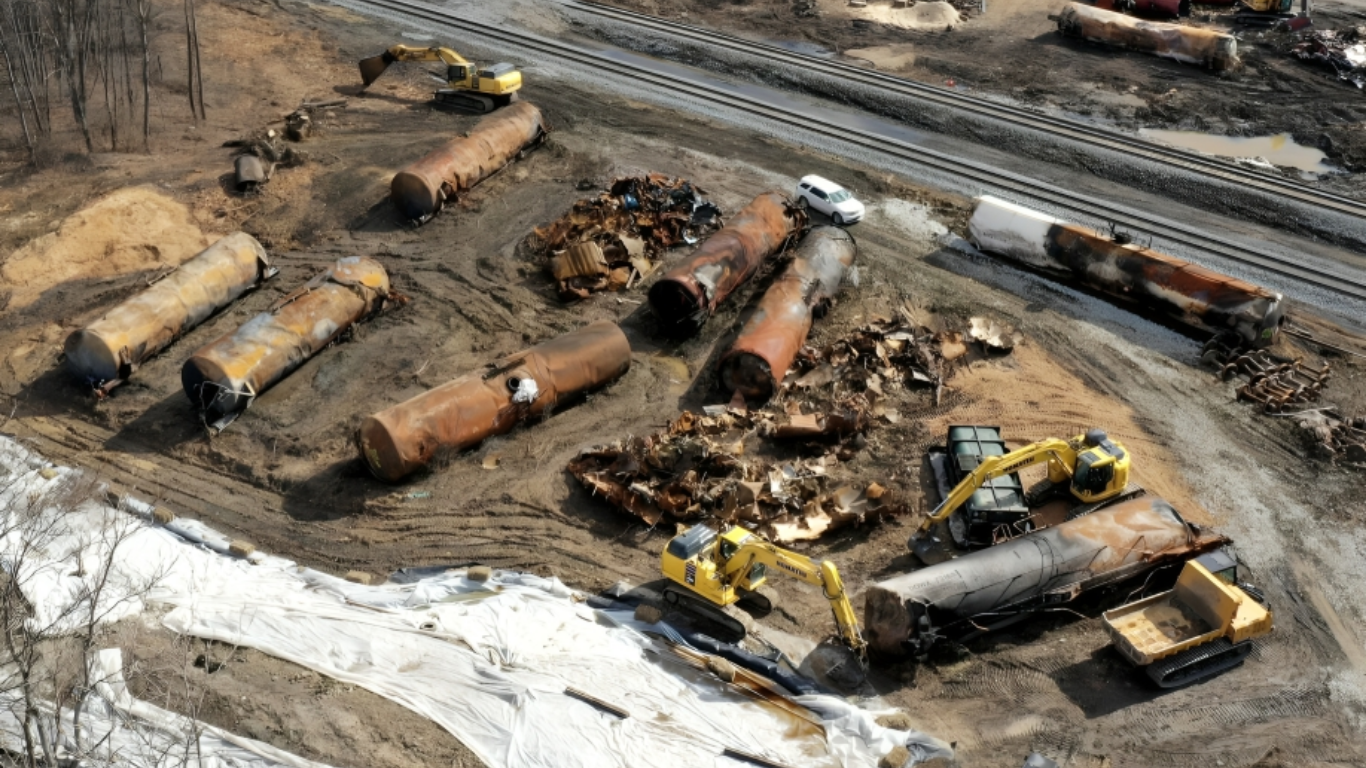
Transitional phrases aside, let’s look at the numbers. Over 2,000 residents were initially evacuated, and cleanup crews removed millions of gallons of contaminated water and thousands of tons of soil. Norfolk Southern committed early on to reimbursing costs, doling out millions in direct aid. By mid-2023, they had spent over $1 billion on response efforts, including home value protections and community funds. It’s heartening to see how such commitments have helped stabilize the area, allowing families to rebuild with confidence.
Moreover, interjections like wow come to mind when considering the resilience. Local leaders organized town halls, fostering transparency and trust. While challenges lingered, like lingering odors or fears of contamination, regular updates from authorities have reassured many that progress is steady. This phase of the Ohio train derailment lawsuit reveals how communities, rallying together, can overcome even the toughest blows.
The Rise of Legal Actions Against Norfolk Southern
As the dust settled—literally—legal wheels started turning. Residents and businesses filed lawsuits almost immediately, alleging negligence in train maintenance and response handling. The Ohio train derailment lawsuit consolidated into a class action in the U.S. District Court for the Northern District of Ohio, under Judge Benita Y. Pearson. Plaintiffs claimed Norfolk Southern prioritized profits over safety, pointing to deferred maintenance and insufficient crew training.
Dangling modifiers notwithstanding, pursuing justice through the courts, communities found a voice. By late 2023, over 30 lawsuits had merged, representing thousands of affected individuals. Key allegations included property devaluation, health damages, and economic losses. Interestingly, the government joined the fray, with the U.S. Department of Justice filing its own suit for environmental violations.
But hey, not all was gloom; these actions paved the way for accountability. In a twist, some suits targeted railcar owners like GATX and OxyVinyls, arguing shared responsibility for the cargo. As cases progressed, mediations led to breakthroughs, showing that dialogue can bridge divides in the Ohio train derailment lawsuit.
Key Parties Involved in the Dispute
To grasp the full picture, let’s break down who’s who in this legal saga. At the center stands Norfolk Southern Railway Company, the train operator accused of primary negligence. Their executives faced scrutiny for safety lapses, though some shareholder suits were dismissed, affirming that not all claims hold water.
Then there are the plaintiffs: residents within a 20-mile radius, businesses, and even neighboring states like Pennsylvania, impacted by the plume. Law firms like Burg Simpson and others represented them, pushing for comprehensive compensation. On the government side, the EPA and DOJ enforced cleanup and penalties, ensuring public health safeguards.
Don’t forget the defendants’ allies, including insurers and rail industry groups, who argued for proportionate liability. This mix of stakeholders highlights the collaborative potential in resolving complex issues, as seen in the Ohio train derailment lawsuit.
- Plaintiffs’ Attorneys: Firms advocating for victims, emphasizing health and property claims.
- Norfolk Southern’s Defense: Focused on denying widespread harm and highlighting remediation efforts.
- Government Regulators: Oversaw compliance, turning enforcement into opportunities for industry-wide improvements.
Major Settlements and Financial Resolutions
Here’s where optimism really kicks in: settlements have brought tangible relief. In April 2024, Norfolk Southern agreed to a $600 million class action settlement, covering personal injuries, property damages, and business interruptions for those within 20 miles. Approved in September 2024, it includes direct payments up to $70,000 for those closest to the site, plus medical monitoring.
Additionally, a $310 million deal with the federal government in May 2024 funded cleanups, health programs, and rail safety enhancements. A jury later ruled Norfolk Southern liable for the full amount, shifting costs from railcar owners.
| Settlement Type | Amount | Key Benefits |
| Class Action | $600 Million | Compensation for injuries, property, and businesses; medical screening. |
| Government Agreement | $310 Million | Environmental cleanup, community health fund, safety upgrades. |
| Community Aid | Over $100 Million | Direct reimbursements, home protections, economic support. |
These resolutions, while not erasing the past, provide a foundation for healing in the Ohio train derailment lawsuit.
Ongoing Challenges and Health Concerns
Even with settlements, some hurdles remain, but they’re being tackled head-on. Recent lawsuits in 2025 claim the $600 million falls short, with attorneys warning of insufficient payouts amid rising medical costs. A wrongful death suit alleges seven fatalities linked to exposure, including cancers and organ failures, though causation is debated.
Colloquialisms like “people are still sick” echo in community forums, yet monitoring programs offer hope. Studies show lingering chemicals in buildings, but remediation continues, with air quality improving steadily. Residents report symptoms, but access to healthcare funds eases burdens, demonstrating progress in the Ohio train derailment lawsuit.
Lessons Learned from the Tragedy
If there’s a silver lining, it’s the push for better practices. The derailment exposed gaps in rail safety, leading to proposed regulations like mandatory hot-bearing detectors and faster emergency notifications. Norfolk Southern invested in advanced tech, training, and community relations, setting a model for the industry.
Moreover, it sparked broader conversations on hazardous material transport, with bills in Congress aiming to phase out risky tank cars. Experts hail these as steps forward, preventing future incidents and fostering trust. In essence, the Ohio train derailment lawsuit has become a blueprint for accountability and innovation.
Community Recovery and Brighter Horizons
Fast-forward to today, East Palestine is rebounding with gusto. New parks, health clinics, and economic incentives are revitalizing the area, thanks to settlement funds. Residents share stories of unity, like volunteer cleanups and support groups, proving that from ashes rise stronger bonds.
Looking ahead, ongoing monitoring ensures safety, while legal victories empower other communities. It’s inspiring how this event, though challenging, has galvanized positive change, wrapping up our exploration of the Ohio train derailment lawsuit.
FAQs
What caused the Ohio train derailment?
The derailment stemmed from an overheated wheel bearing on a railcar, leading to the train jumping the tracks. Investigations also highlighted maintenance and operational factors.
Who is eligible for the $600 million settlement?
Individuals and businesses within 20 miles of East Palestine who suffered injuries, property damage, or economic losses can claim compensation, with varying amounts based on proximity.
Are there still health risks from the derailment?
While initial exposures raised concerns, ongoing testing shows declining contaminant levels. Medical monitoring programs are in place to address any long-term issues.
What improvements have been made to rail safety?
New technologies like advanced detectors and stricter regulations on hazardous materials are being implemented, reducing risks nationwide.
Can more lawsuits be filed after the settlement?
Some residents have opted out or filed separate suits, alleging the class action was insufficient, so additional legal actions continue.
Conclusion
In wrapping up, the Ohio train derailment lawsuit stands as a testament to human perseverance and the pursuit of justice. From the initial shock to substantial settlements, it shows how communities can emerge stronger, armed with better protections and renewed hope. As East Palestine continues to heal, this chapter reminds us that even in tough times, positive outcomes are within reach, solidifying the legacy of the Ohio train derailment lawsuit.