
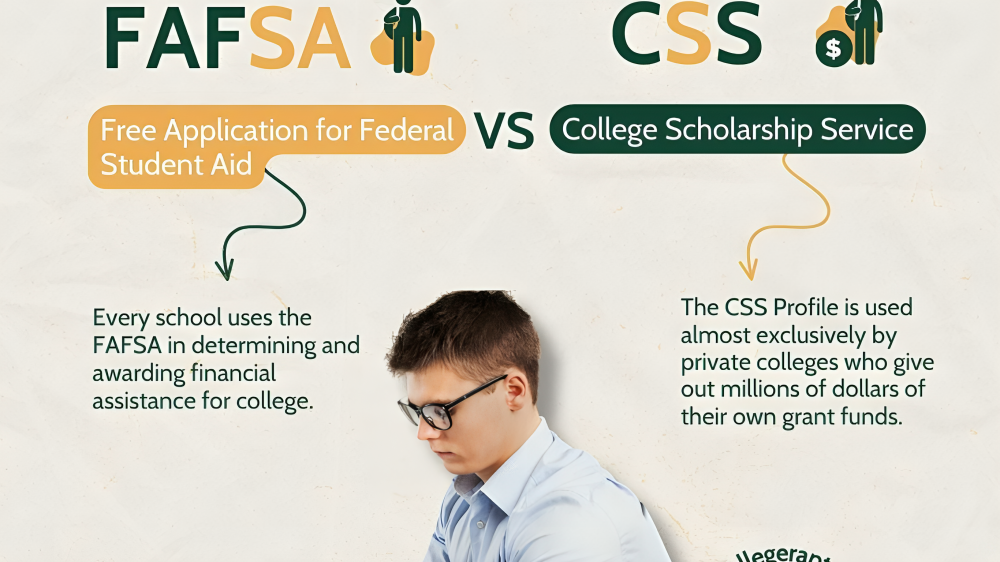

Hey there, if you’re scratching your head wondering what is CSS Profile for college, you’re not alone. It’s one of those things that pops up when you’re knee-deep in the college application process, and it can feel a bit overwhelming at first. But don’t worry—think of it as a golden ticket that opens doors to extra financial help beyond what the government offers. In a nutshell, the CSS Profile is an online form created by the College Board that helps colleges and scholarship programs figure out how much non-federal aid you might qualify for. It’s like giving schools a clearer picture of your family’s finances so they can tailor their support just for you. And the best part? Submitting it could mean more scholarships, grants, or work-study opportunities heading your way, making that dream college a little more affordable. As we dive deeper, you’ll see why this tool is a game-changer for students from all walks of life.
The Basics of CSS Profile
Let’s start from square one. The CSS Profile, which stands for College Scholarship Service Profile, is essentially a detailed financial aid application. Unlike some simpler forms, this one digs into your family’s income, assets, and expenses to help institutions award their own aid packages. It’s used by around 200 to 270 colleges, universities, and even some scholarship programs across the U.S. These aren’t just any schools—they’re often top-tier places like Ivy Leagues or private institutions that have their own pots of money to distribute.
Oh, and here’s something optimistic: even if your family isn’t struggling financially, filling this out could still snag you merit-based aid or other goodies. It opens on October 1 each year, but deadlines vary by school, so mark your calendar early. Fee waivers are available for those who qualify, making it accessible without adding extra stress to your wallet. In short, it’s a straightforward way to show schools you’re serious about needing help to make education happen.
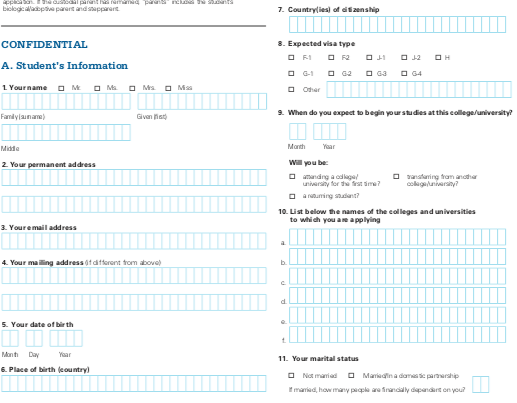
To give you a visual idea, here’s an example of what the CSS Profile application might look like in action.
How CSS Profile Differs from FAFSA
Now, you might be thinking, “Isn’t there already the FAFSA for financial aid?” Well, yes, but they’re like apples and oranges—both fruity, but different flavors. The Free Application for Federal Student Aid (FAFSA) is the go-to for federal grants, loans, and work-study, and it’s required by pretty much every college. On the flip side, the CSS Profile focuses on institutional aid, which is money straight from the school itself.
Here’s a quick comparison to clear things up:
| Aspect | CSS Profile | FAFSA |
| Purpose | Non-federal institutional aid | Federal aid like Pell Grants and loans |
| Administered By | College Board | U.S. Department of Education |
| Number of Schools | About 270 participating institutions | All Title IV schools (thousands) |
| Depth of Questions | More detailed, includes home equity, business assets | Simpler, focuses on basic income and assets |
| Cost | $25 for first school, $16 each additional (waivers available) | Free |
| Availability | Opens October 1, school-specific deadlines | Opens December (for 2025-2026), priority deadlines vary |
See? While FAFSA is broader, the CSS Profile lets schools peek deeper into your situation, potentially leading to more personalized help. However, both are worth doing—it’s like doubling your chances without much extra effort. And hey, in the long run, completing both could mean less debt after graduation, which is music to any student’s ears.
Who Needs to Fill Out the CSS Profile?
Not everyone has to tackle this form, but if you’re eyeing certain schools, it’s a must. Primarily, it’s for students applying to private colleges or those with robust financial aid programs. International students, take note: many U.S. schools use it to assess aid for you too, since FAFSA isn’t an option.
Who should definitely fill it out? Well:
- Applicants to elite universities like Harvard, Yale, or Stanford—these places often require it for their generous aid packages.
- Families with complex finances, such as divorced parents or small business owners, because the form accounts for nuances that FAFSA might overlook.
- Students seeking scholarships from programs that partner with the College Board.
- First-generation college-goers or those from low-income backgrounds, as fee waivers make it free and could unlock need-based aid.
On the bright side, even if your school doesn’t require it, submitting voluntarily might surprise you with extra funds. It’s all about putting your best foot forward. If you’re unsure, check the college’s financial aid website—they’ll spell it out clearly. Remember, skipping it could mean leaving money on the table, and who wants that?
Step-by-Step Guide to Completing the CSS Profile
Alright, let’s roll up our sleeves and walk through this process. It’s not as scary as it seems—think of it as filling out a detailed survey that pays off big time. First things first, create an account on the College Board’s CSS Profile website. You’ll need your Social Security number (or equivalent for internationals), tax returns, W-2 forms, and bank statements handy.
Here’s the breakdown:
- Gather Your Documents: Before starting, collect last year’s tax info, investment statements, and details on any untaxed income. For divorced families, both parents might need to provide info separately.
- Answer the Pre-Qualifiers: The form starts with basic questions to tailor the rest to your situation. Be honest—fudging numbers could backfire.
- Fill in Financial Details: This is the meaty part. Report income, assets like home value or retirement accounts, and expenses. It’s more thorough than FAFSA, but that’s what helps schools see the full picture.
- Add Schools and Programs: List where you want your info sent. Each additional school costs a bit, but waivers help.
- Review and Submit: Double-check everything. Once submitted, you might need to upload docs via IDOC (Institutional Documentation Service).
Interjection: Wow, it might take a couple of hours, but imagine the relief when aid offers roll in! Transitional phrase: That said, if you hit snags, the College Board’s help center is a lifesaver. Dangling modifier: Armed with patience, you’ll breeze through it.
Common Mistakes to Avoid When Filling Out the CSS Profile
Nobody’s perfect, but avoiding pitfalls can make your application shine. From my experience helping students navigate this, the biggest oops moments come from rushing or misunderstanding questions.
Watch out for these:
- Missing Deadlines: Schools have their own cutoff dates—some as early as November. Set reminders!
- Incomplete Information: Leaving sections blank or guessing can lead to delays or denials. Use exact figures from docs.
- Forgetting Non-Custodial Parents: If parents are separated, the non-custodial one often needs a separate form. Don’t skip this.
- Not Applying for Waivers: If your family income is under $100,000 or you qualify for SAT waivers, grab that free pass.
- Ignoring Updates: Life changes? Report them promptly to keep your profile accurate.
Colloquialism: It’s like they say, measure twice, cut once—same goes for your answers. By steering clear of these, you’re setting yourself up for success, and that’s half the battle won.
Benefits of Submitting the CSS Profile
Why bother with another form? The perks are huge! For starters, it unlocks institutional grants that don’t need repaying, potentially covering tuition gaps left by federal aid. Many students snag thousands extra this way.
Plus:
- Personalized Aid: Schools use it to craft packages that fit your needs, like merit scholarships for high achievers.
- Access for Internationals: Without FAFSA eligibility, this is your shot at U.S. college funding.
- Holistic Review: It considers factors like medical expenses or sibling tuition, painting a fairer picture.
Optimistically, submitting it shows initiative, impressing admissions folks. And look at this inspiring image of students celebrating their scholarships—could be you!
In essence, it’s an investment in your future, often yielding returns that make college dreams reality.
Tips for Maximizing Your Financial Aid Through CSS Profile
To really make the most of it, go beyond the basics. Start early—October 1 is your green light. Research schools’ policies; some use it for early decision aid estimates.
Handy tips:
- Be Thorough: Explain any unusual finances in the special circumstances section—schools appreciate context.
- Seek Help: Counselors, online tutorials, or family accountants can guide you.
- Combine with Other Apps: Pair it with scholarship searches for a full-court press on funding.
- Track Progress: After submission, monitor your dashboard for requests.
Idiom: Don’t put all your eggs in one basket—apply broadly. Transitional: Moreover, staying organized turns this chore into a breeze. With these strategies, you’re not just applying; you’re optimizing for the best possible outcome.
Resources and Support for CSS Profile Applicants
Feeling stuck? You’re covered. The College Board’s site offers tutorials, FAQs, and chat support. Nonprofits like MEFA or Coalition for College provide free guides too.
Explore:
- Webinars on financial aid basics.
- Forums like Reddit’s ApplyingToCollege for peer advice.
- School-specific workshops.
Interjection: Goodness, the help is out there! By tapping into these, you’ll navigate with confidence, turning potential hurdles into stepping stones.
FAQs
What is the cost to submit the CSS Profile?
It’s $25 for the first school and $16 for each additional one, but waivers are available for eligible families.
Can international students use the CSS Profile?
Absolutely! Many schools require it for assessing aid to non-U.S. citizens.
How long does it take to complete?
Typically 1-2 hours, depending on your family’s complexity—gather docs first to speed it up.
What if my parents are divorced?
The custodial parent fills the main form, and the non-custodial might submit a separate one if required.
Is the CSS Profile required for all colleges?
No, only about 270 participating ones—check your school’s list.
Conclusion
Wrapping it up, understanding what is CSS Profile for college is key to unlocking doors you didn’t even know existed. It’s more than a form; it’s a bridge to affordable education, tailored aid, and brighter futures. By taking the time to complete it thoughtfully, you’re investing in yourself, and the rewards can be life-changing. So, go ahead, dive in with optimism—your college journey just got a whole lot more supported. Remember, what is CSS Profile for college? It’s your ally in making higher education a reality for everyone.